Lawn Care Fort Worth: How to Start Waking Your Lawn Up From Winter Dormancy
Lawn Care Fort Worth: How to Start Waking Your Lawn Up From Winter Dormancy
Hey, Cole here with New Day Landscaping. If you've been staring out the window wondering whether it's finally time to do something with your lawn, you're not alone — this is a question I hear from homeowners all across Fort Worth, Benbrook, and Crowley every single February. I recently came across a video from Turf Mechanic Vlogs that does a great job breaking down how to start the wake-up process, and it got me thinking about how that applies specifically to what we deal with here in North Texas. Spoiler: some of it translates directly, and some of it we need to tweak for our climate and grass types. Let's get into it.
Video and screenshots are used for commentary and educational purposes. Turf Mechanic Vlogs is not affiliated with or endorsing New Day Landscaping.
What "Dormant" Actually Means for a Fort Worth Lawn
Here's something that trips up a lot of homeowners — dormant doesn't mean dead. Bermuda grass, which makes up the majority of lawns we maintain across Tanglewood, Ridglea Hills, and Overton Park, goes dormant in the winter as a survival mechanism. The root system is still alive underground. It's just waiting for soil temperatures to consistently hit around 65 degrees before it really starts pushing new growth.
The video touches on this well — that idea of "waking up" versus just mowing or raking like it's already May. Up north, lawn care content is often written around cool-season grasses like fescue that never fully go dormant. That advice doesn't always map cleanly onto what we're doing here. In Fort Worth, the late winter window — think late January through early March — is actually a real opportunity to get ahead of your lawn's recovery. The key word isgentle. We're nudging it awake, not yanking it out of bed.
Step 1: Clear the Work Zone Before You Touch the Lawn
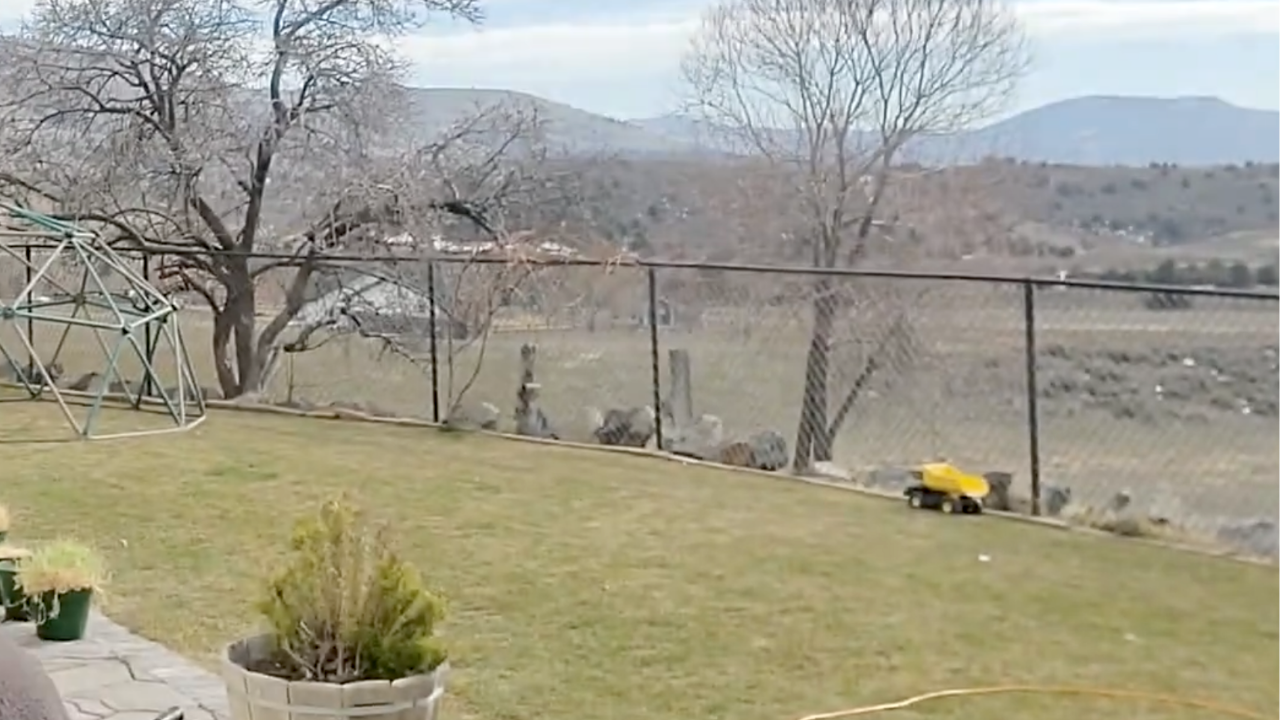
Before any equipment comes out, take a few minutes to clear the area you're planning to work. Move anything sitting on the turf — patio furniture, kids' play equipment, planters, whatever's been sitting there since fall. This sounds basic, but it matters more than people realize.
When you've got a play structure or any heavy object sitting on dormant grass, you've got compaction building up underneath it. The grass under there is already struggling to breathe. Before you can help it wake up, you need to give it room to actually receive the work you're about to do. Clear the space, walk the area once, and then start your prep.
Step 2: Power Rake — But Keep It Gentle at This Stage
This is probably the most important adjustment I'd make to the general video advice when it comes to Fort Worth lawns in February. The video recommends using a dethatcher set to a higher, lighter setting — treating it more like a power rake than an aggressive dethatch. That's exactly right for this time of year, and here's why it matters on Bermuda.
Bermuda spreads through stolons and rhizomes — basically horizontal runners above and below the soil surface. If you go after it with an aggressive dethatcher setting while it's still in late dormancy, you risk shredding those runners before they've had a chance to activate. I've seen homeowners go too hard too early and then wonder why their Bermuda has thin, patchy areas in April. What you want at this stage is to fluff up the surface, pull out the loose dead material sitting on top, and open up some airflow — nothing more aggressive than that.
Set your dethatcher on the higher setting. Make passes across the area, collect what comes up, and move on. You're not trying to pull everything out at once. You're just loosening the surface layer so what comes next actually works.
Step 3: Core Aerate While You're Already Out There
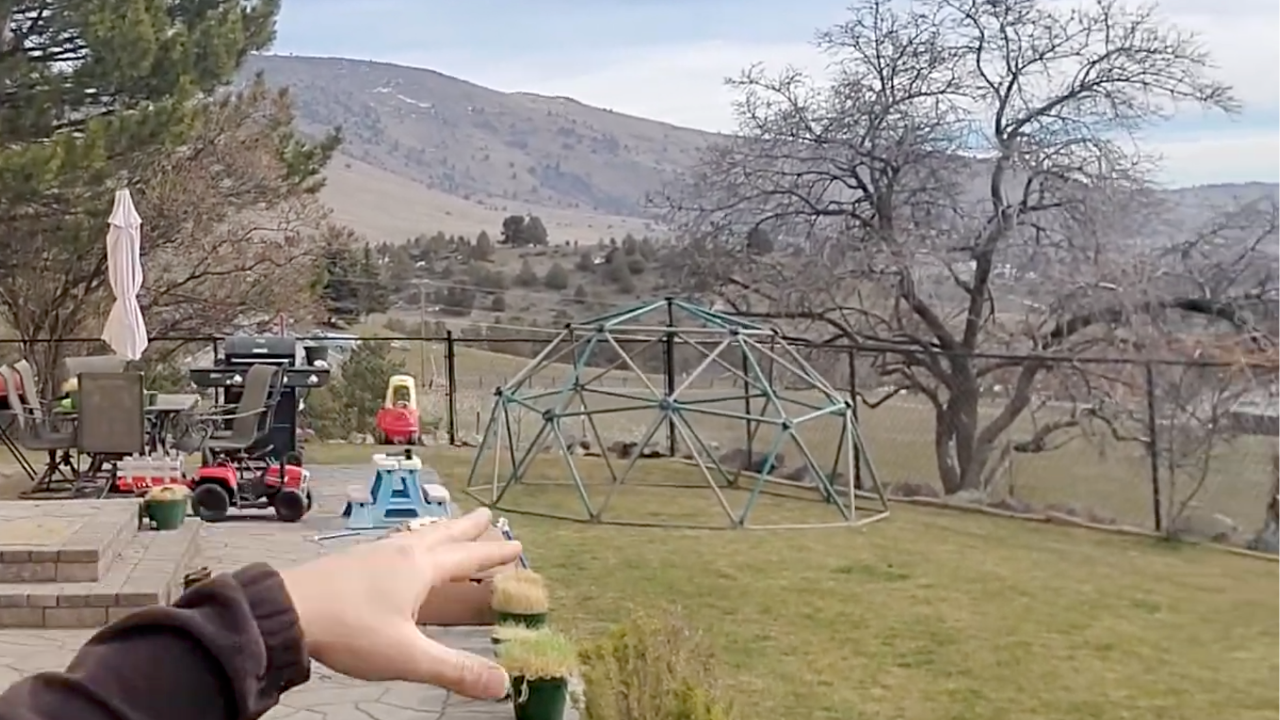
Once the surface is cleaned up, core aeration is the next move — and it's honestly one of the highest-value things you can do for a Fort Worth lawn at this time of year. Our clay-heavy soil compacts hard over the winter. By the time February rolls around, the top few inches of soil can be almost brick-like in some spots, especially in neighborhoods with older lots and established root systems.
Core aeration pulls small plugs of soil out of the ground and creates channels for water, air, and nutrients to reach the root zone. When you time this right — before the lawn fully breaks dormancy — you're setting up the root zone to take full advantage of everything that happens over the next 6 to 8 weeks as temperatures climb.
Fair warning: manual core aeration is a workout. The video is honest about that. If you're planning to do even a few hundred square feet by hand, block out a few hours and take breaks. For larger lawns in areas like Crowley or Benbrook where lot sizes tend to run bigger, this is where calling in a crew makes a lot of sense.
After working with over 100 Fort Worth-area families since 2019, I can tell you that the lawns that green up fastest and most evenly in spring are almost always the ones that got aerated in late winter. It's not flashy, but it works.
Step 4: Watering in February — Yes, It Actually Matters
This one surprises people. A lot of homeowners shut off their irrigation systems in November and don't think about water again until March. But if we've had a dry stretch through January and into February — which happens more often than you'd think in Fort Worth — your dormant lawn is still sitting in dry soil. And dry soil doesn't warm up or respond to early prep work as well as soil with some moisture in it.
The rule of thumb I use: if we've gone two or three weeks without meaningful rain and daytime temps are pushing into the 50s and 60s, it's worth running the sprinklers for a short cycle. You're not trying to soak the yard — just enough to keep the soil from being bone dry when the grass starts waking up. Our clay soil holds moisture differently than sandier soils farther south in Texas, so you don't need much. A light, even watering is enough. If you've already had your irrigation system winterized, a manual hose pass on the target area works fine for this purpose.
Common Mistakes Fort Worth Homeowners Make in Late Winter
I've seen a handful of patterns repeat themselves every year across the lawns we service in Tanglewood, Overton Park, Ridglea Hills, and surrounding neighborhoods. Here's what I'd tell any homeowner to watch out for:
Dethatching too aggressively before dormancy breaks.Going deep on a Bermuda lawn that hasn't fully woken up yet can damage the stolons and set back your green-up timeline by several weeks. Keep it light until the lawn is actively growing.
Skipping aeration because "the lawn looks fine."Clay soil compaction isn't always visible on the surface. By the time you see a struggling lawn in May, the compaction problem started in January. Aerate early, even when you can't tell you need it yet.
Watering too heavily too fast.Fort Worth clay doesn't drain like sandy soil. A deep soaking in February can create standing water issues and invite fungal problems at the root level. Short, light watering cycles are the move.
Doing nothing and hoping for the best.This one I see probably more than anything. Dormant lawns look fine — nothing's visibly wrong. So homeowners wait. Then March hits, the lawn comes out of dormancy unevenly, and they're chasing problems all spring. A few hours of late-winter prep makes an enormous difference in how the whole season starts.
Your Fort Worth Late-Winter Lawn Wake-Up Checklist
✅ Clear all objects and equipment off dormant turf areas
✅ Check soil moisture — if dry, run a light irrigation cycle
✅ Power rake on a high/light setting to loosen and clean the surface layer
✅ Core aerate the target area while soil conditions are workable
✅ Do NOT dethatch aggressively while grass is still in dormancy
✅ Watch daytime temps — once you're consistently hitting the mid-60s, green-up will follow
✅ Avoid heavy fertilizer applications until the lawn is at least 50% green
Let New Day Landscaping Get Your Lawn Spring-Ready
If you'd rather skip the manual labor and just see results, that's what we're here for. At New Day Landscaping, we've been taking care of Fort Worth lawns since 2019 — and with a 95% retention rate and 25 five-star reviews, we've built something we're genuinely proud of. Our customers keep coming back because we pay attention to the details, we communicate, and we actually know what works on the soil and grass types in this part of Texas.
We proudly serve homeowners across:
Fort Worth
Benbrook
Crowley
Overton Park
Tanglewood
Ridglea Hills
Whether you need a late-winter lawn assessment, aeration, or you're ready to get set up on a full season of lawn care service, just reach out. Getting started is simple — fill out our contact form, we'll measure the property, and you'll typically have an estimate back the same day.
📞817-760-0479
🌐www.newdaylandscaping.net
Spring comes fast here in Fort Worth. Get ahead of it. — Cole, New Day Landscaping