Lawn Care Fort Worth: First Lawn Mowing Of The Year (Step by Step)
Lawn Care Fort Worth: First Lawn Mowing Of The Year (Step by Step)
Hey y'all — Cole here with New Day Landscaping. Every March, I start getting the same question from homeowners across Fort Worth, Benbrook, and Crowley: "Is it time to mow yet?" And honestly, that question is way more loaded than it sounds. The first cut of the year is not just about knocking down some winter growth — it's about setting your lawn up to thrive for the whole season. I recently came across a great video from The Lawn Care Nut that walks through a solid first-mow process, and I thought it was worth sharing. That said, here in Fort Worth, we're dealing with Bermuda and St. Augustine grass on heavy clay soil, and that changes a few things compared to what works up north.
Check out the video below, then keep reading for how I apply this to the lawns we take care of right here in our area.
Video and screenshots are used for commentary and educational purposes. The Lawn Care Nut is not affiliated with or endorsing New Day Landscaping.
Why the First Mow Is Different in Fort Worth
Most lawn care content you'll find online is written for cool-season grasses in the Midwest or Northeast. Up there, folks are dethatching fescue and overseeded ryegrass that's been actively growing all winter. Down here in Fort Worth, we're coming out of Bermuda dormancy — and that's a completely different situation. Our warm-season grasses essentially "sleep" through the winter and wake back up once soil temps consistently hit around 65 degrees. That typically happens right around the first or second week of March in our area.
What this means practically: you don't want to just fire up the mower on the first warm day in February and go to town. Cutting too early on a dormant Bermuda lawn can stress it before it has the energy reserves to recover. I've watched it happen in neighborhoods like Ridglea Hills and Tanglewood — lawns that got scalped too soon just seemed to limp into spring. Patience and preparation are everything on that first cut.
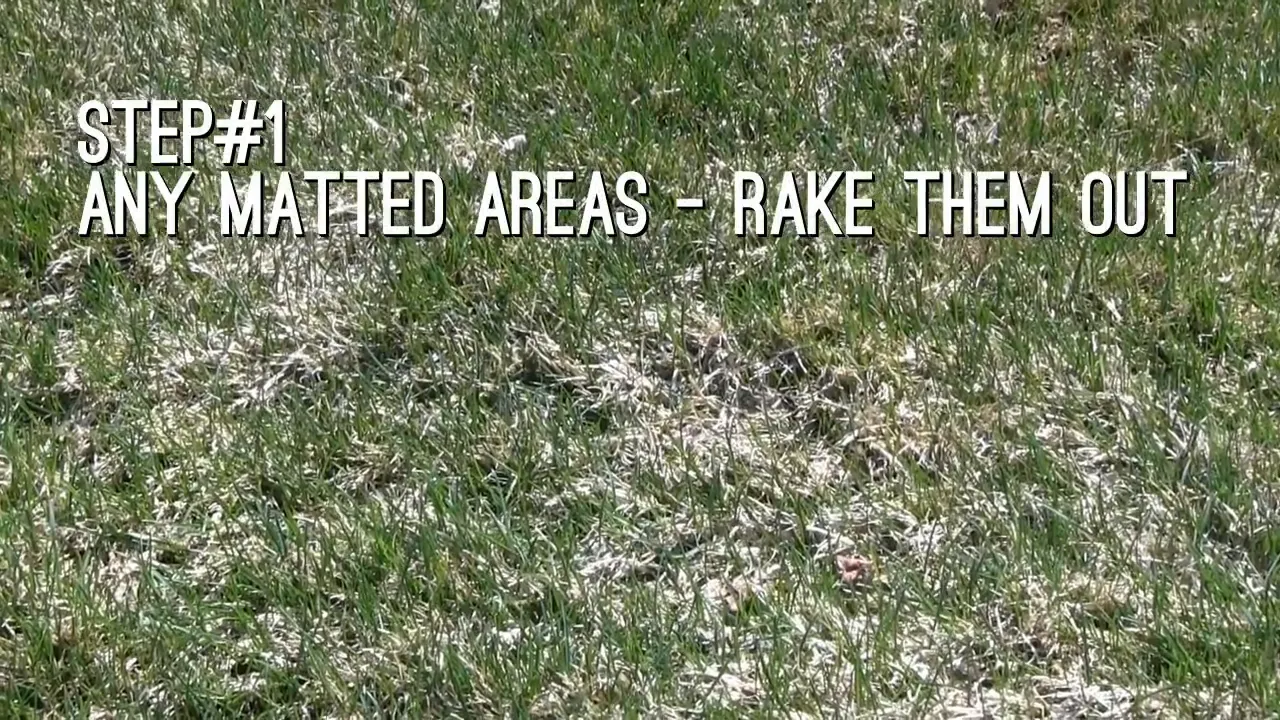
Step 1: Rake Out the Matted Dead Grass First (Don't Skip This)
Before anything else, walk your lawn and look for sections that look matted down, thick, and layered — almost like a carpet of brown debris. That's dead thatch, and it's not coming back. If you mow over it without raking first, you're basically sealing off the soil from sunlight and airflow right when your Bermuda is trying to wake up.
Here's what to look for:
Brown, patchy areas that look stacked or layered rather than just dormant
Sections that feel "stuck down" and thick when you press your foot on them
Any visible thatch buildup that would block new lateral growth
Rake those areas out — not aggressively, but thoroughly. You're trying to remove the dead buildup, not tear up everything. The grass that's still rooted and just tan-colored from dormancy? That'll green up on its own once temperatures consistently push into the 70s. Our Fort Worth clay soil holds heat differently than sandy soils farther south, so green-up timing can vary even within a single neighborhood.
Step 2: Clear Debris from Beds and Under Bushes
While you're already in cleanup mode, don't ignore the landscaping beds. Leaves and organic debris that have been sitting under bushes and ornamental plants since fall will start to rot and can introduce fungal issues into your lawn edges right as spring kicks off — and with our humidity here in North Texas, that's not something you want to invite in.
Quick process that works well:
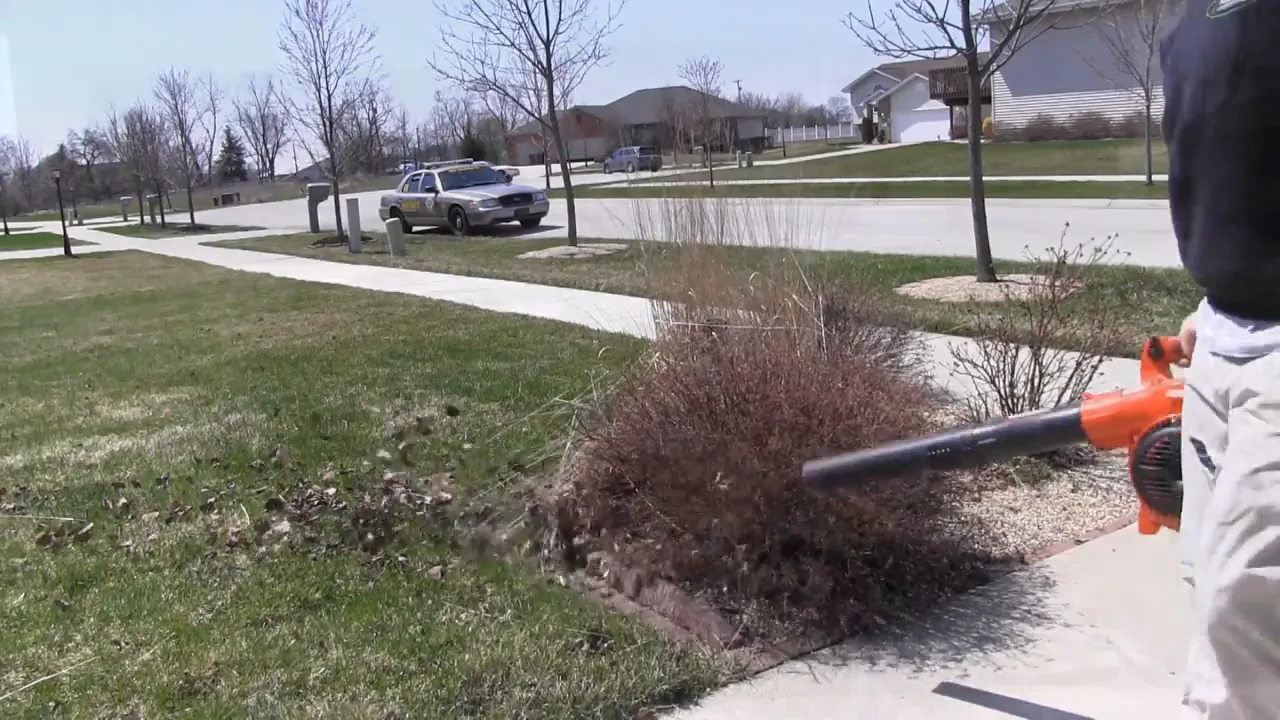
Use a blower to push leaves and debris out from under plants and onto the open lawn
Plan to collect everything when you mow by using the bagger
If you have ornamental grasses, go ahead and cut them back now — it's the right time of year
Step 3: Weed Whack the Edges Before You Mow
This one makes a bigger visual difference than most people expect. Over the winter, grass creeps into your driveway edges, sidewalk joints, and bed lines. A quick pass with the weed whacker before mowing gives the whole yard a cleaner finished look — even before the grass is fully green.
Keep it simple:
Clear edges along driveways, sidewalks, and landscape bed borders
Don't go so aggressive that you scalp areas — just clean the lines
Always wear eye protection. String trimmer debris flies fast.
After working with over 100 local families in Fort Worth, Benbrook, and Overton Park, I've noticed that the homes where edging gets done consistently year-round are always the ones that look sharp even during winter and transition months. It's one of those details that compounds over time.
Step 4: Mow Shorter Than Normal on the First Cut
Here's the move that most homeowners miss. On your first lawn mowing of the year, you want to drop your deck height down a bit compared to where you'd normally run it. If you typically mow Bermuda at 2 to 2.5 inches, take that first cut down to around 1.5 to 2 inches. If you're on St. Augustine and normally cut at 3.5 to 4 inches, come down to about 2.5 to 3 inches.
Why? Two reasons:
Stimulate growth— A slightly shorter cut signals the grass to push new lateral growth and green up faster
Create airflow— Lower mowing height on that first pass helps you collect more of the dead debris sitting on top of the turf
And yes — bag everything on the first cut. You've already raked and blown debris onto the lawn. Now you want the mower to pull it all up and out. This is not the cut to be leaving clippings on the lawn.
Step 5: Bag the Clippings — Don't Mulch on This One
I know plenty of homeowners prefer to mulch clippings back in during the regular season. That's fine — good practice, actually, once your lawn is actively growing and producing fresh green clippings. But on the first cut of spring, what you're mowing up is mostly dead material, dried debris, and winter residue. Mulching that stuff back in doesn't help your lawn. Bag it and move on.
Focus on picking up:
Dead grass loosened from raking
Leaves you blew out of the beds onto the turf
Any remaining thatch and surface debris
Once the lawn is 50% green or more and producing healthy clippings, feel free to switch back to mulching. But that first cut is a cleanup job first, mowing job second.
Common Mistakes I See Every Spring
After years of doing this in Fort Worth, Crowley, Tanglewood, and the surrounding areas, there are a few patterns I keep seeing from homeowners trying to DIY their spring startup:
Mowing before the lawn is ready.I've seen people mow in late February when we get a warm snap, and then the temps drop again for two more weeks. Bermuda doesn't forgive an early scalp if it hasn't fully broken dormancy. When in doubt, wait for a second or third warm week in a row.
Skipping the thatch rake entirely.This is probably the most common one. Homeowners just mow right over the matted debris. That dead layer becomes a barrier. Your new growth has to fight through it instead of getting sunlight and airflow from day one.
Watering too aggressively before green-up.Our clay soil in this part of Fort Worth doesn't drain fast. Soggy soil in March can encourage fungal issues and makes mowing a mess. Water only when the lawn needs it, and let warm air do most of the work on the green-up.
Edging last or not at all.The edge is the frame of your lawn. A clean edge with a blade edger — not just string trim — is what separates a "nice lawn" from a "wow" lawn. Do it on that first cut and your neighbors will notice.
Your Fort Worth First-Mow Checklist
✅ Rake out matted thatch and dead grass buildup
✅ Blow debris from beds and under bushes onto the lawn surface
✅ Cut back ornamental grasses now
✅ Weed whack edges before mowing
✅ Drop deck height by about half an inch to an inch lower than normal
✅ Bag — don't mulch — all clippings on this first pass
✅ Finish with a blade edger for clean, defined lines
✅ Don't water excessively until the lawn is actively greening up
Ready for Spring? Let New Day Landscaping Handle It
If you'd rather spend your Saturday somewhere other than pushing a mower around — or if you just want the job done right the first time — our team at New Day Landscaping has got you covered. We've been serving Fort Worth families since 2019, and with a 95% retention rate and 25 five-star reviews, we've built something we're proud of in this community. We're not a national franchise. We're local people who know what Fort Worth lawns actually need.
We proudly serve homeowners in:
Fort Worth
Benbrook
Crowley
Overton Park
Tanglewood
Ridglea Hills
Whether you need a one-time spring cleanup or you're ready to set up a full season of lawn care service, we'd love to talk. Getting started is simple — fill out the form on our site, we'll measure the property, and you'll have an estimate back same day about 80% of the time.
📞817-760-0479
🌐www.newdaylandscaping.net
Let's get your lawn off to a strong start this spring. — Cole, New Day Landscaping